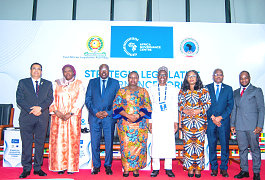
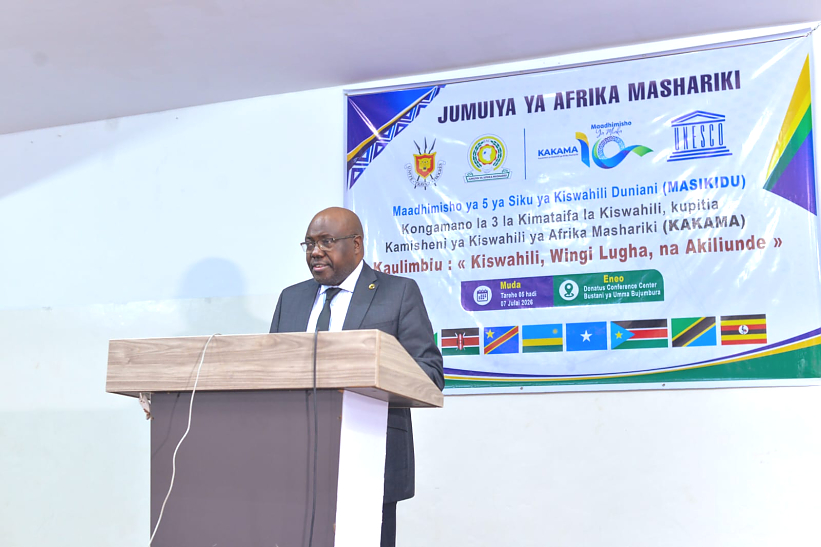
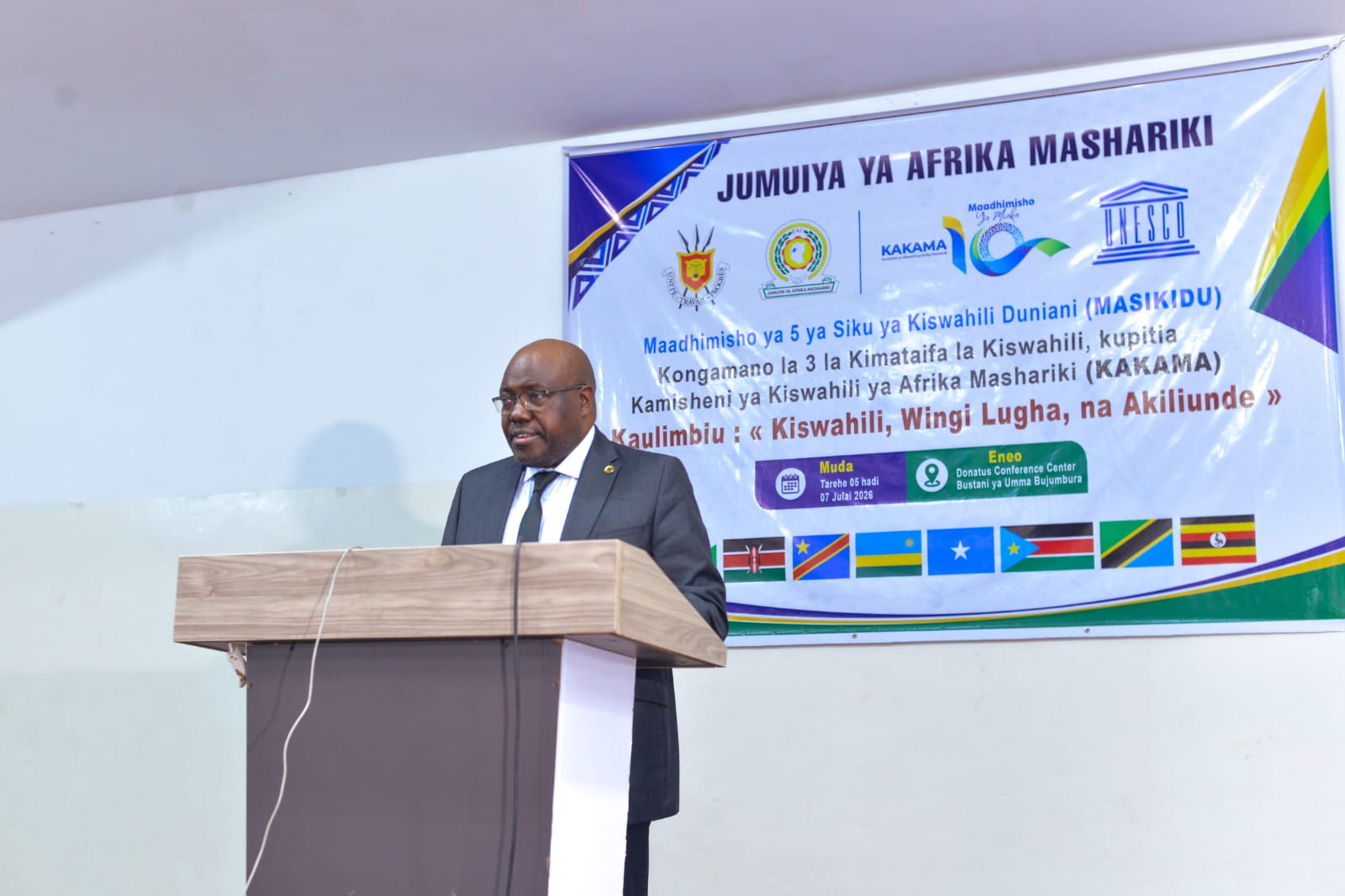
Bujumbura, Burundi | 6 July 2026-The Speaker of the East African Legislative Assembly (EALA), Rt. Hon. Joseph Ntakirutimana, has called for deliberate efforts to ensure Kiswahili and other African languages are fully integrated into emerging technologies, particularly Artificial Intelligence (AI), to promote inclusive development and preserve the region's cultural heritage.
Speaking at the 5th EAC World Kiswahili Language Day and the 3rd EAKC Kiswahili International Conference in Bujumbura, Burundi, Rt. Hon. Ntakirutimana emphasised that language is more than a tool of communication, describing it as a carrier of history, culture, identity, and values. He noted that the inclusion of Kiswahili in the digital ecosystem is essential to safeguarding Africa's heritage while expanding opportunities for its people.
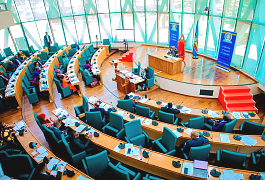
The conference, held under the theme “Kiswahili, Multilingualism, and Artificial Intelligence,” brought together policymakers, scholars, researchers, technology experts, development partners, and youth representatives from across the East African Community and beyond.
The Speaker highlighted the growing global influence of Kiswahili, noting that the language is now spoken by more than 250 million people and continues to expand beyond East Africa. He described Kiswahili as a vital instrument for regional integration, trade, cultural exchange, and social cohesion within the East African Community.
At the same time, Rt. Hon. Ntakirutimana cautioned that many African languages remain underrepresented in digital platforms due to limited language data, resources, and investment. He warned that without intentional interventions; millions of Africans could be excluded from the benefits of the digital revolution.
The Speaker underscored the importance of collaboration among governments, academic institutions, language professionals, and technology developers in advancing practical solutions for language inclusion in emerging technologies. He revealed that the East African Legislative Assembly is working closely with the East African Kiswahili Commission to enhance the use of Kiswahili in parliamentary proceedings and committee work. In addition, EALA and the EAC Secretariat are exploring digital tools to support Kiswahili transcription in parliamentary Hansard reporting.
Recognizing the critical role of young people in shaping the future of technology, Rt. Hon. Ntakirutimana welcomed the conference's focus on youth engagement. He said empowering young people with digital skills and innovation opportunities would enable them to develop technology solutions that advance Kiswahili while creating employment opportunities and supporting regional digital transformation.
The Speaker expressed confidence that the conference would produce practical outcomes, including the Bujumbura Declaration and a regional roadmap to guide governments, academic institutions, technology partners, and development stakeholders in promoting Kiswahili in the digital era.
Concluding his remarks, Rt. Hon. Ntakirutimana urged stakeholders to continue working together to ensure Kiswahili thrives not only in schools, communities, and public institutions but also in the rapidly evolving world of Artificial Intelligence and digital innovation. He stressed that technology should be harnessed to strengthen African languages, preserve cultural identity, and foster inclusive development across the region.
ENDS
Nicodemus Ajak Bior Senior
Public Relations Officer (SPRO)
East Africa Legislative Assembly, Arusha, Tanzania
Tel: +255-768-885-633/, +254729157207(WhatsApp)
Email: nbior@eachq.org
Web: www.eala.org

_265_180shar-50brig-20_c1.jpeg)