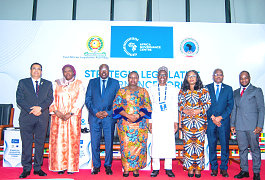


Arusha, Tanzania — 20 August 2026: The East African Legislative Assembly (EALA) Committee on General Purpose has concluded the first phase of public hearings on the East African Community Medical Bill, 2024, following two days of stakeholder engagement held on 17 and 18 August 2026 in the Republic of Burundi, the Democratic Republic of Congo, the Republic of Uganda and the United Republic of Tanzania. The hearings brought national regulators, manufacturers, health professionals, civil society, academia, and development partners into direct dialogue with Members of the Assembly on a Bill that seeks to reshape how the region regulates, manufactures, and accesses essential medicines.
The EAC Medical Products Bill, 2024, moved by Hon. Francine Rutazana, MP, is anchored in Article 118 of the Treaty for the Establishment of the East African Community, under which Partner States committed to harmonise drug registration procedures, strengthen control of pharmaceutical standards, and align national health regulations. The Bill also draws on the African Union Model Law on Medical Products Regulation. Its object is to facilitate access to essential medicines across the Community; promote medical products manufactured within the region; entrench Good Manufacturing Practices and quality standards; and give preference to Community-manufactured medical products in public procurement.
Purpose of the Hearings
The hearings gathered stakeholder views, concerns and technical recommendations on the Bill, aiming to build consensus on a regional framework for medicine access, regulation, local manufacturing and public procurement. Input is being compiled into a report ahead of the Bill's next plenary presentation.
Key Provisions Under Discussion
- Stronger National Medicines Regulatory Authorities, with powers over clinical trials, manufacturing, imports and removal of substandard drugs
- Incentives for regional pharmaceutical manufacturing (duty relief, price preferences, accreditation support)
- A regional Good Manufacturing Practices compendium
- Procurement preferences for Community-made medical products
- A shared Essential Medicines list
- Mutual recognition of regulatory decisions and mandatory recall notifications
Stakeholder Engagement
Sessions in Burundi, DRC, Uganda and Tanzania brought together government ministries, regulators, manufacturers, civil society, WHO and academia, building on an online consultation held 13 August.
What Comes Next
The second phase of public hearings will run from 20 to 21 August 2026 in the Republic of Kenya, the Republic of Rwanda, the Federal Republic of Somalia and the Republic of South Sudan, extending the consultation to all eight EAC Partner States. Recommendations gathered across both phases will be documented and used by the Committee on General Purpose to finalise its report and proposed amendments for consideration by the Assembly at its next plenary session.
The Committee has reiterated that broad-based public participation is central to the legitimacy of the Bill, and has encouraged stakeholders in the remaining Partner States to take part in the coming sessions. The exercise is expected to advance progress toward Sustainable Development Goal 3 (Good Health and Well-being) and Goal 9 (Industry, Innovation and Infrastructure), and to reinforce Partner States' commitment under the Abuja Declaration to dedicate at least 10% of national budgets to health.
About the Bill
The East African Community Medical Products Bill, 2024 is a Private Member's Bill before the East African Legislative Assembly. If enacted, it would establish a regional legal framework for medical products regulation, promote intra-regional pharmaceutical manufacturing and trade, and support equitable access to essential medicines across the Community's eight Partner States: Burundi, the Democratic Republic of Congo, Kenya, Rwanda, Somalia, South Sudan, Uganda and Tanzania.
ENDS
Nicodemus Ajak Bior
Senior Public Relations Officer (SPRO)
East Africa Legislative Assembly
Arusha, Tanzania
Tel: +255-768-885-633/, +254729157207(WhatsApp)
Email: nbior@eachq.org
Web: www.eala.org

_265_180shar-50brig-20_c1.jpeg)