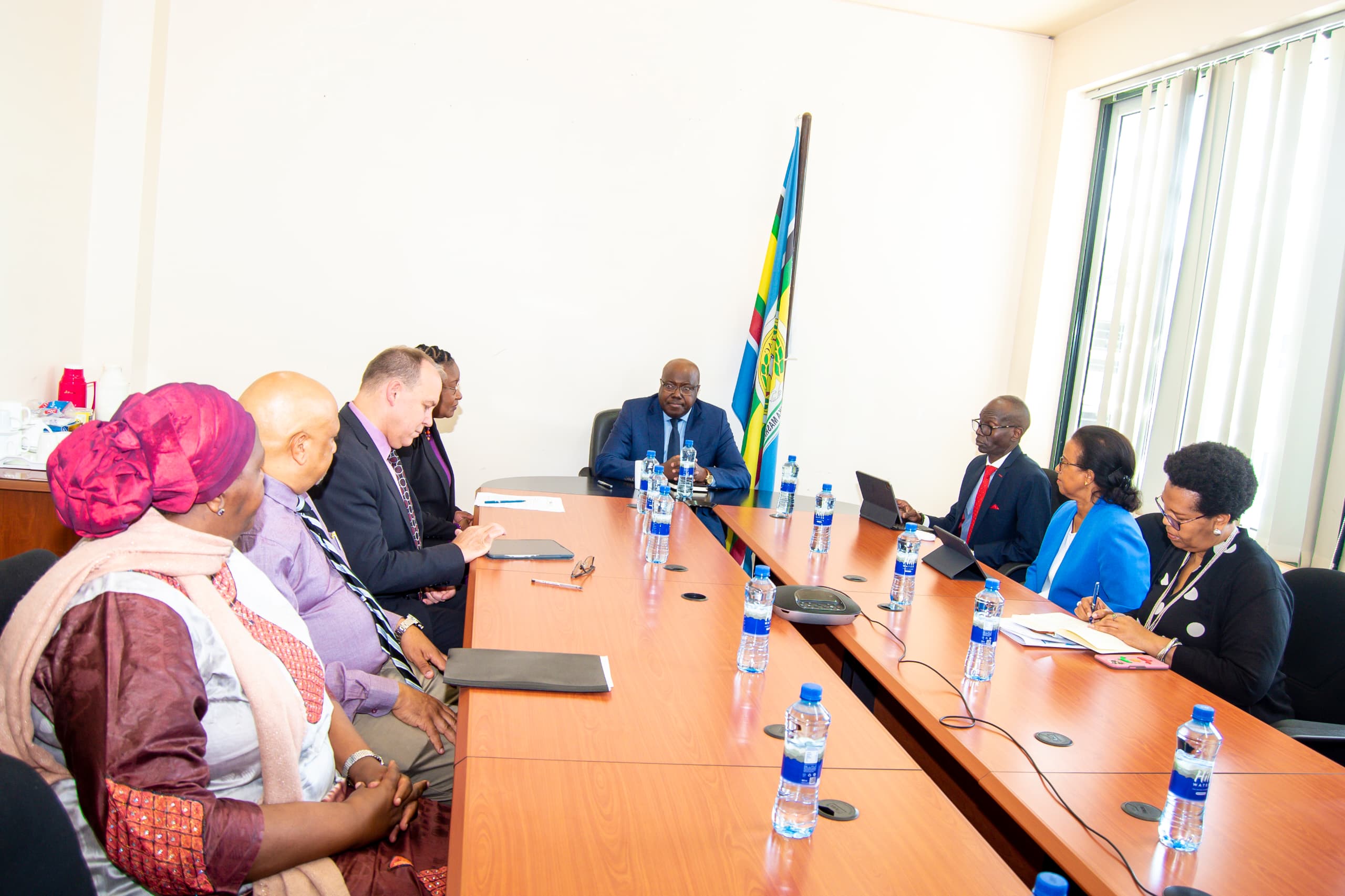
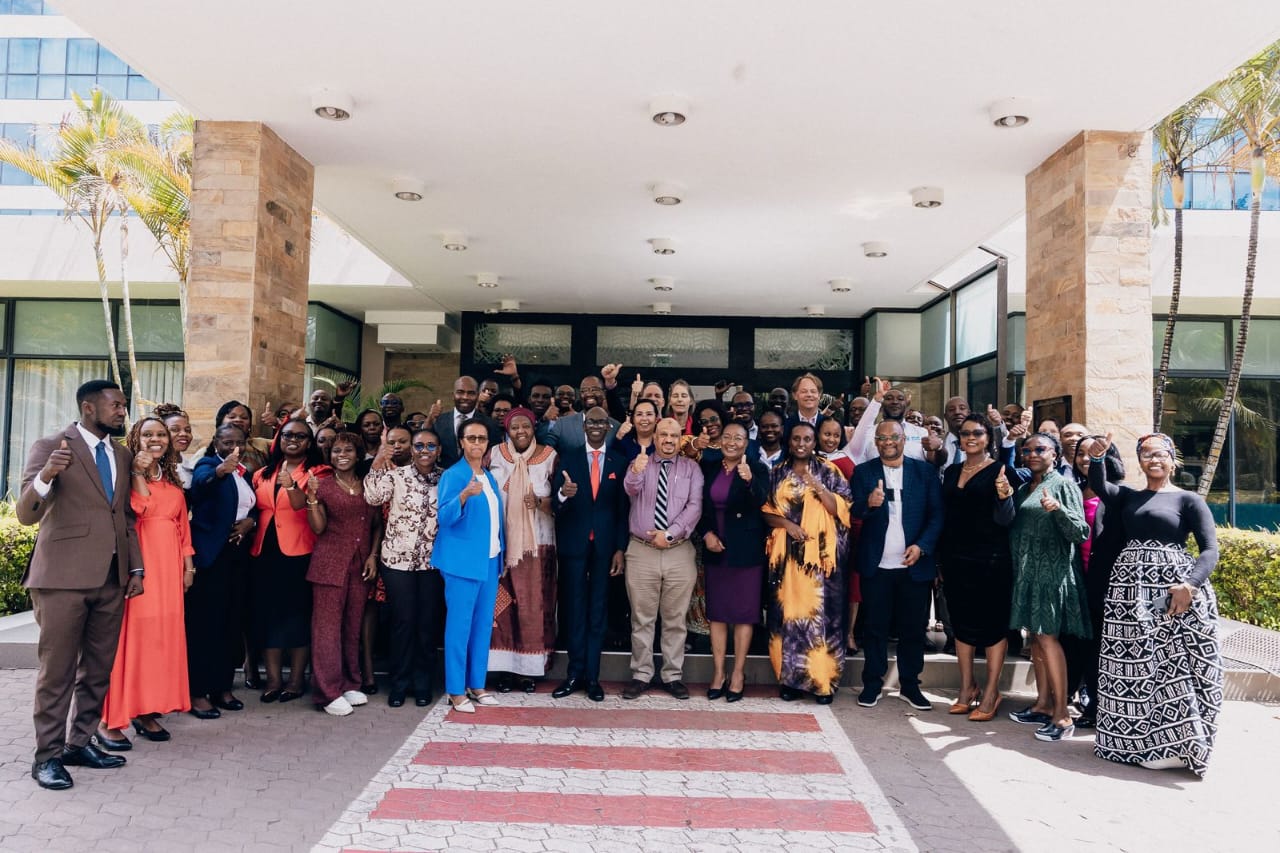
Arusha, Tanzania – 16th September, 2026 —The East African Legislative Assembly (EALA) has reaffirmed its commitment to strengthening regional health systems, promoting gender equality and advancing human rights through enhanced collaboration with the United Nations Population Fund (UNFPA), the World Health Organisation (WHO), the United Nations Children's Fund (UNICEF) and the Joint United Nations Programme on HIV/AIDS (UNAIDS).
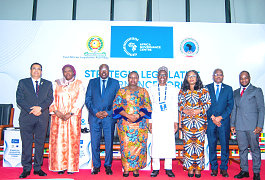
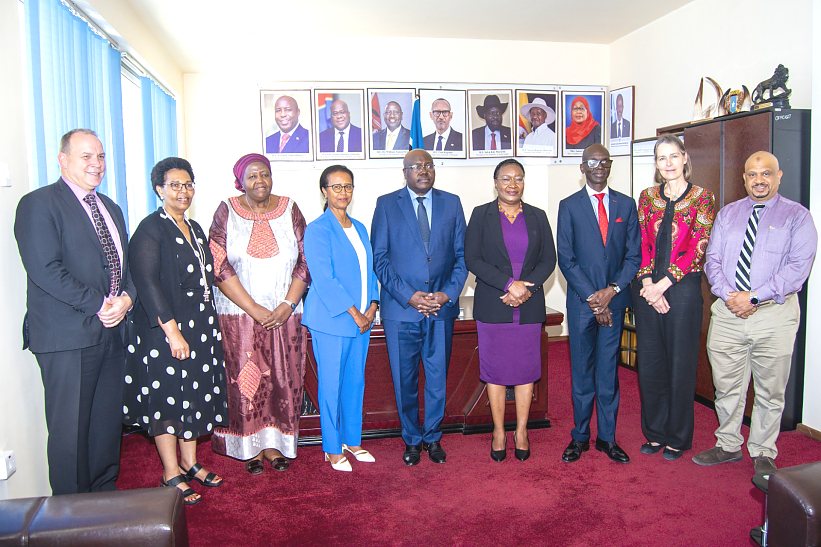
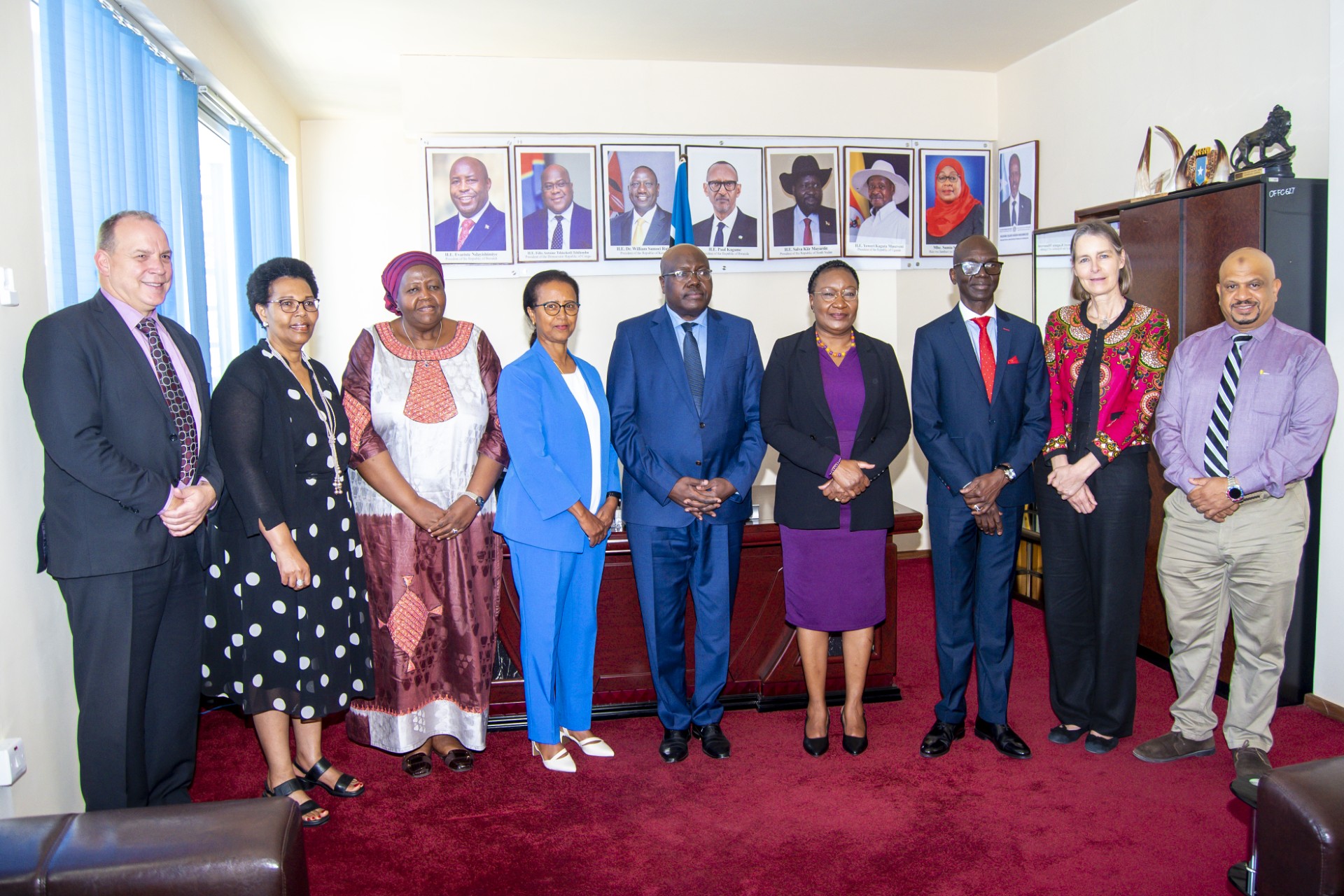
This commitment was reiterated during a series of high-level engagements held in Arusha, Tanzania, including a courtesy call by the Regional Directors of the four UN agencies on the Rt. Hon. Joseph Ntakirutimana, Speaker of EALA, followed by strategic discussions involving Members of EALA's Committee on General Purpose, led by Hon. Dr Makame Hasnu, the EALA Women's Caucus, led by Hon. Amb. Fatuma Ndangiza, representatives of the East African Community Secretariat, civil society organisations and development partners.
The discussions focused on advancing Reproductive, Maternal, Newborn, Child and Adolescent Health (RMNCAAH), Sexual and Reproductive Health and Rights (SRHR), HIV response initiatives and efforts to combat Gender-Based Violence (GBV) across the East African Community (EAC). Participants underscored the importance of robust legislative frameworks, sustainable financing and strengthened partnerships in addressing persistent health and social challenges facing the region.
Speaking during the engagements, EALA leaders emphasised the Assembly's unique role in fostering regional integration through legislation, oversight and representation. The Assembly reaffirmed its determination to support initiatives that improve the welfare of East African citizens and contribute to sustainable development.
EALA further reiterated its commitment to championing key legislative priorities, including the proposed Sexual and Reproductive Health Bill and the Elimination of Female Genital Mutilation Bill, alongside broader regional efforts to promote universal health coverage, gender equality and the protection of vulnerable populations.
The engagement also allowed civil society organisations and regional health stakeholders to reflect on achievements in advancing SRHR, HIV prevention and response, and gender equality, while identifying emerging challenges and opportunities for stronger collaboration. Participants highlighted the need for increased domestic resource mobilisation, accountability and evidence-based policymaking to ensure that no one is left behind.
A key outcome of the discussions was the reaffirmation of a long-term partnership framework between EALA and the UN agencies. Anchored on a Memorandum of Understanding, the partnership seeks to leverage EALA's legislative and oversight mandate together with the technical expertise of the UN agencies to strengthen laws, policies and programmes that safeguard the health, rights and development of the people of the East African Community.
The parties noted that investing in reproductive, maternal, newborn, child and adolescent health is critical to human capital development and to unlocking the demographic dividend of East Africa's youthful population. They underscored the importance of ensuring sustainable financing and supportive legal and policy environments to accelerate progress towards improved health outcomes and inclusive development.
The meeting concluded with a shared commitment to deepen cooperation, strengthen advocacy efforts, and enhance collaboration among regional institutions, governments, civil society organisations, and development partners in pursuit of a healthier, more equitable, and prosperous East African Community.
-ENDS-
Nicodemus Ajak Bior, Senior Public Relations Officer (SPRO)
East Africa Legislative Assembly, Arusha, Tanzania
Tel: +255-768-885-633/, +254729157207(WhatsApp)
Email: nbior@eachq.org
Web: www.eala.org

_265_180shar-50brig-20_c1.jpeg)