
.jpeg)
.jpeg)
.jpeg)
.jpeg)
.jpeg)
.jpeg)
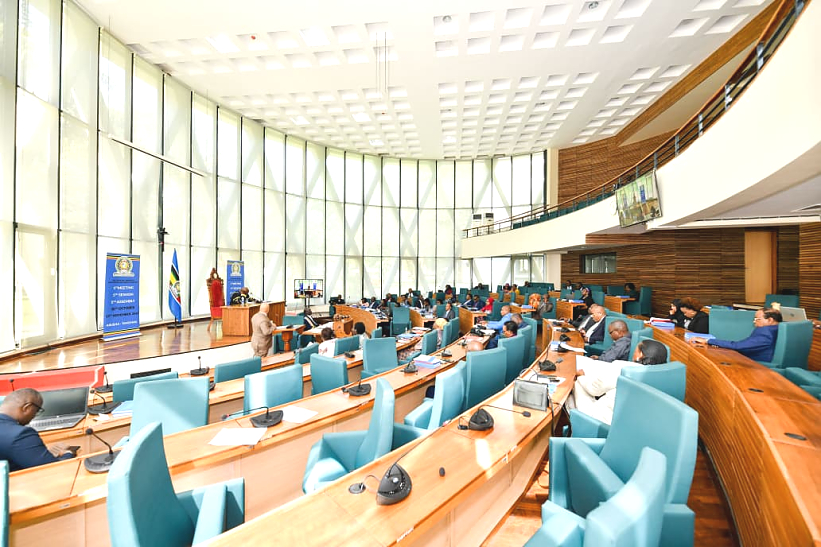
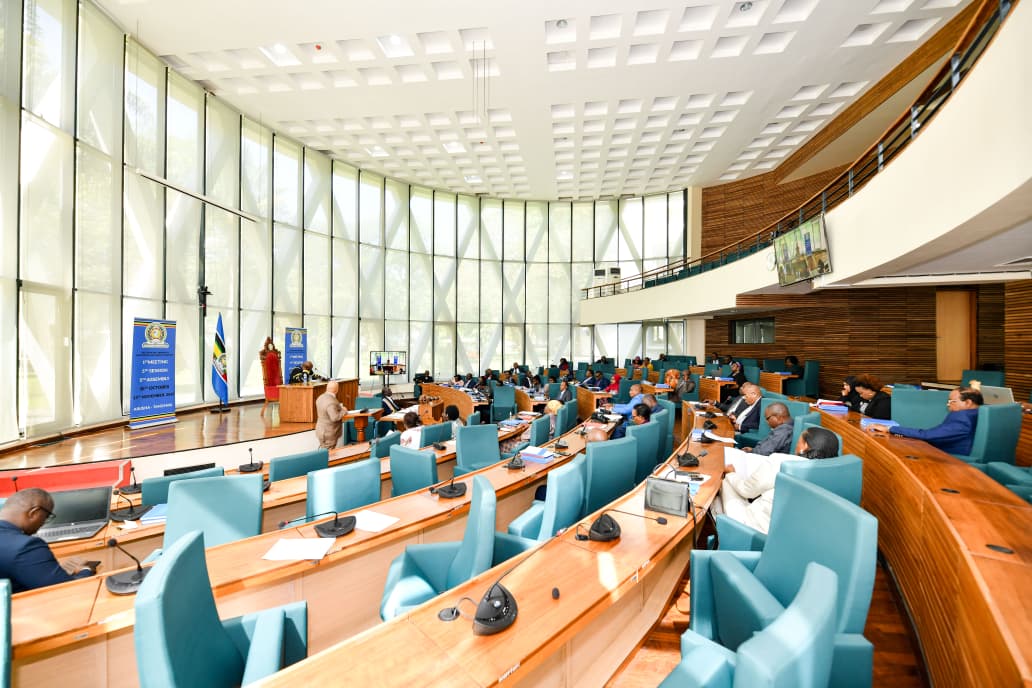
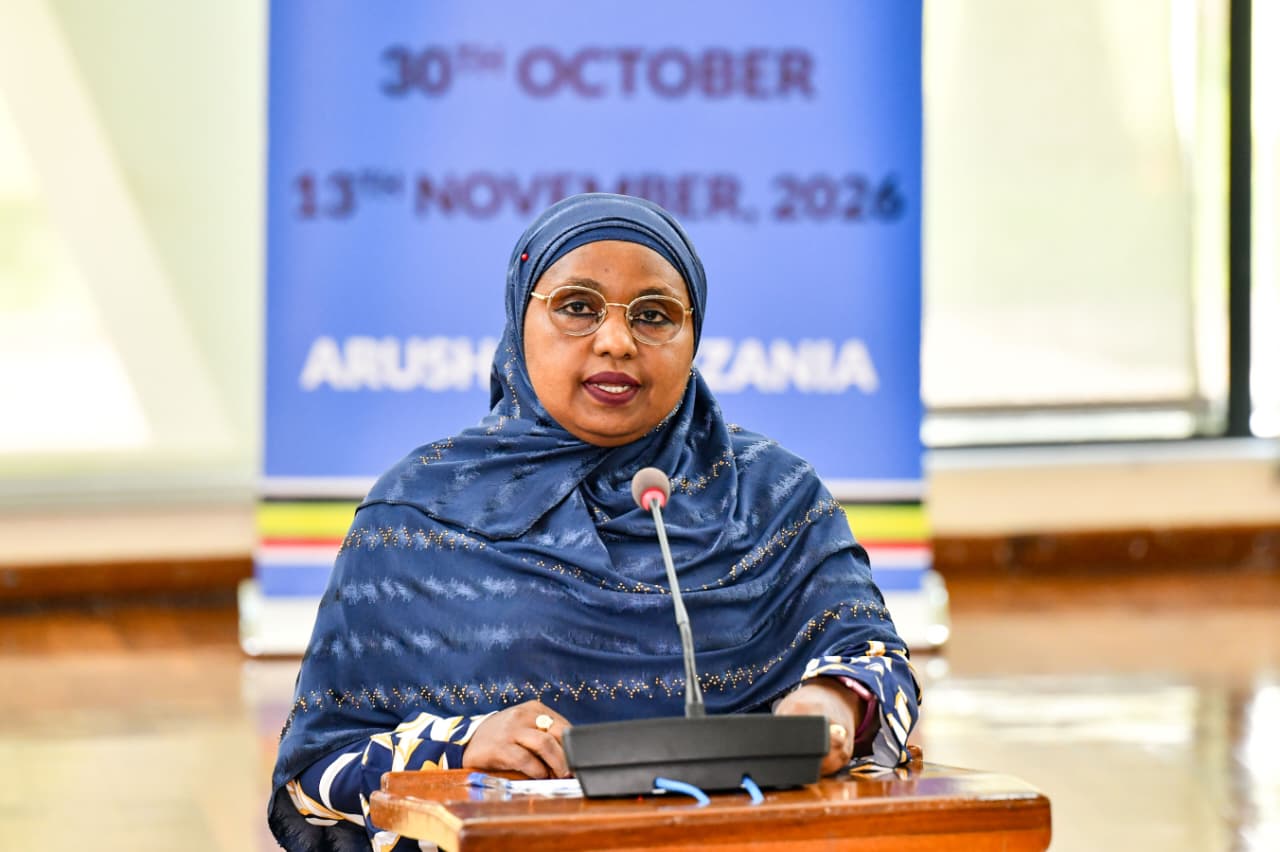
ARUSHA, TANZANIA — October 12, 2026 — In a milestone sitting held at the East African Legislative Assembly (EALA) Headquarters in Arusha, Tanzania, the Assembly adopted four major resolutions and oversight reports aimed at transforming public health systems, combating non-communicable diseases, strengthening regional health centres, and accelerating industrial value addition across the East African Community (EAC).
Push for Regional Framework and Action on Haemophilia and Inherited Bleeding Disorders
In the first major initiative, the Assembly pushed for regional action on haemophilia and inherited bleeding disorders. Moved by Hon. Clement Musangabatware and seconded by Hon. David Ole Sankok under Articles 49(2)(d) and 118(a), (b), and (c) of the EAC Treaty, EALA urged the EAC Council of Ministers and Partner States to strengthen prevention, diagnosis, treatment, and care.
The motion highlighted that while Haemophilia A affects roughly one in every 5,000 male births globally and Haemophilia B impacts about one in every 25,000, a lack of epidemiological data and patient registries leaves many individuals undiagnosed, particularly in low- and middle-income settings. To overcome critical barriers such as delayed diagnosis, low public awareness, inadequate laboratory capacity, and unequal access to treatment, the Assembly called for integrating bleeding disorders into national health policies, Universal Health Coverage (UHC) programmes, and health insurance schemes, alongside creating an EAC Regional Framework and leveraging the EAC Pooled Procurement Mechanism.
Motion to Combat Unhealthy Diets, Ultra-Processed Foods, and NCDs
Continuing its focus on public health, the Assembly addressed the rising burden of non-communicable diseases (NCDs) through a motion introduced by Hon. Dr. Aisha Nyiramana and seconded by Hon. Dr. Gladness Salema. Focusing on unhealthy diets and ultra-processed foods rich in free sugars, sodium, saturated fats, and trans-fatty acids, the resolution emphasized regulatory gaps and the intense exposure of children to aggressive junk food marketing across digital, broadcast, and school environments. Major directives called upon the Council of Ministers and Partner States to direct the EAC Secretariat to conduct baseline assessments, develop harmonized regional standards based on a nutrient profile model—including mandatory front-of-pack labelling and product reformulation targets—and implement strict minimum standards to protect children and public institutions.
EALA Oversight Mission Concludes Evaluation of EAC Regional Centres of Excellence in Health
In addition to legislative motions, the Assembly reviewed the findings of its Committee on General Purpose, which concluded an oversight mission from September 21 to 25, 2026, evaluating EAC Regional Centres of Excellence (RCEs) in health. The delegation inspected the Regional Centre of Excellence for Vaccines, Immunisation and Health Supply Chain Management (RCE-VIHSCM) in Kigali, Rwanda—noting its enrollment of 489 Master's students, training of over 3,375 professionals, production of 84 peer-reviewed publications, and real-time monitoring capabilities at the Rwanda Medical Supply Operations Center—as well as the Regional Centre for Cardiovascular Sciences at MUHAS in Dar es Salaam, Tanzania, which has pioneered AI and robotic diagnostic labs, TAVI procedures, and pediatric cardiac and bone marrow transplants. Despite these successes, the Committee flagged heavy reliance on donor funding, procurement delays, and the need for equitable access, recommending a predictable annual budget line within the EAC budget, joint group contracting under Phase III of the Pooled Procurement Mechanism, and expanded regional training networks.
Motion to Fast-Track Regional Value Chains for Resilient Industrial Growth
Finally, EALA advanced efforts to foster inclusive and resilient regional economic growth through a motion moved by Hon. Dr. Gladness Salema and seconded by Hon. Caroline Kayonga. The resolution addresses the region's heavy reliance on exporting raw or semi-processed agricultural, mineral, livestock, and forestry commodities while importing high-value manufactured goods. To overcome these structural bottlenecks, the Assembly called upon the Council of Ministers and Partner States to establish a unified EAC Regional Value Chain Development Framework and Implementation Plan, eliminate non-tariff barriers and harmonize rules of origin and SPS measures, mobilize targeted public and private financing for MSMEs, women, and youth, and implement robust accountability mechanisms to track local value addition and employment generation.
-END-
Nicodemus Ajak Bior
Senior Public Relations Officer (SPRO)
East Africa Legislative Assembly
Arusha, Tanzania
Tel: +255-768-885-633/, +254729157207(WhatsApp)
Email: nbior@eachq.org
Web: www.eala.org
.jpeg)