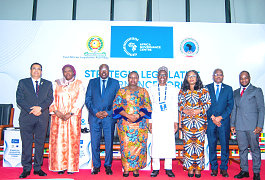


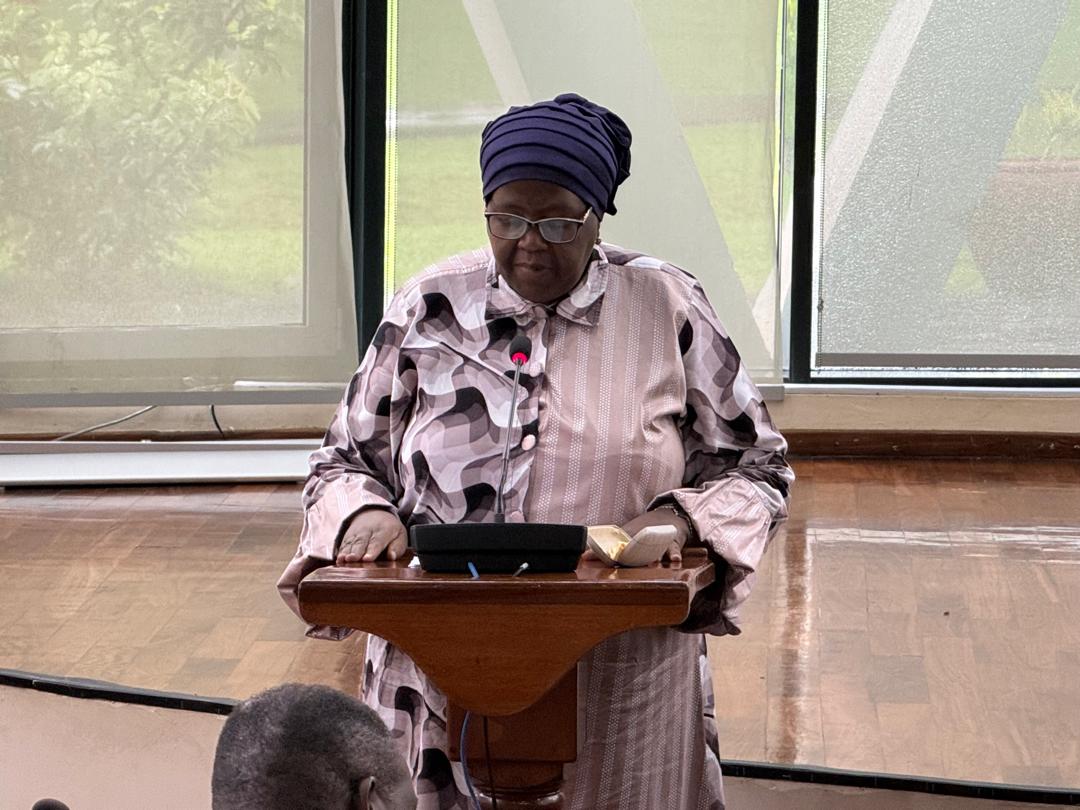
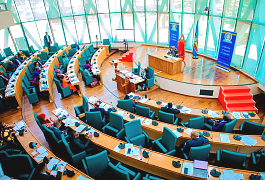
Arusha-Tanzania- April 13th, 2026-The 4th Session-5th Assembly of The East African Legislative Assembly (EALA) in its hybrid (virtual/In-person) sitting in Arusha today considered the motion moved by Hon. Fatuma Ndangiza seeking leave of the Assembly to introduce a bill “the East African Community Counter-Trafficking in Persons Bill, 2026”, aimed at providing for the prevention and combating of trafficking in persons and for the protection, assistance and reintegration of victims within the EA. This motion was seconded by Hon. Gai Deng. The leave resolution is made in accordance with the Treaty and the Assembly’s Rules of Procedure, including Article 59(1) and Rule 64(5).
This proposed Bill seeks to establish a binding and enforceable regional legal framework that responds to the evolving nature of trafficking in the region—an offence that continues to exploit cross-border movement, vulnerability, and modern recruitment methods, including digital recruitment and organised criminal networks. It is premised on the view that the EAC must strengthen harmonised prevention and prosecution approaches, while ensuring that victims receive comprehensive, rights-based support and meaningful access to justice.
The Bill aligns with EAC Partner States’ obligations under EAC legal instruments and with key international standards, particularly the Palermo Protocol (2000) on trafficking in persons, as well as the Convention on the Elimination of All Forms of Discrimination against Women (CEDAW), adopted in 1979 and the Maputo Protocol on the rights of women in Africa.
The Bill also adopts guiding approaches of survivor-centred, gender-responsive, child-sensitive, and human-rights-based implementation, prioritising the best interests of the child. It also sets out principles aimed at preventing re-victimisation and criminalisation, including respect for human dignity, non-discrimination, accountability and access to justice, and confidentiality and privacy for victims. Central to the Bill is a clear objective: to prevent and combat trafficking across the Community; protect and assist victims in a manner that addresses their needs and rights; harmonise laws, policies and penalties among Partner States; strengthen cross-border investigations and prosecutions; and disrupt trafficking networks that create and exploit vulnerabilities.
The Bill strengthens the regional response to trafficking in persons by requiring Partner States to implement comprehensive prevention measures and socio-economic programs that address root drivers such as poverty, inequality, conflict, displacement, and lack of decent work. It also builds cooperation across borders through structured exchange of information, intelligence and best practices, and mandates specialised training for law enforcement, immigration, judicial officers, and other relevant stakeholders, with strengthened border measures and secure document systems while respecting the EAC Treaty’s guarantees on the free movement of persons.
In recognition of the human rights dimensions of trafficking—especially the impact on women and girls—the Bill is anchored in international standards, including the Convention on the Elimination of All Forms of Discrimination against Women (CEDAW), adopted in 1979. Consistent with this framework, it obliges Partner States to adopt survivor-centred, gender responsive and child-sensitive approaches to victim protection, assistance, and reintegration, including medical and psychological support, legal aid, education and vocational training, and a repatriation process that is voluntary, safe and dignified, with due regard to victims’ security and access to justice.
Another motion that was introduced in the House was moved by Hon. “East African Community Agroecology Bill, 2026.” Moved by Hon. Gideon Gatpan Thoar (seconded by Hon. Falhada Iman Dekow), the Assembly seeks authorisation for the introduction of a regional Bill designed to provide a coherent legal framework for mainstreaming agroecological farming across Partner States. The Bill is grounded in the EAC Treaty commitments to promote sustainable growth and development, and specifically to support cooperation in agriculture aimed at food security, rational agricultural production, environmental protection, and natural resource management.
According to the Bill’s memorandum, the purpose of the EAC Agroecology Bill, 2026, is to mainstream agroecological farming by promoting agroecology principles across agri-food systems—integrating ecological, social, and participatory approaches and combining scientific and traditional knowledge to enhance biodiversity, ecosystem services, resilience, livelihoods, and food sovereignty.
The East African Community Agroecology Bill, 2026, aims to strengthen environmental resilience and agroecosystems by promoting agroecological practices that improve biodiversity, nutrition, soil health, and water health. It seeks to harmonise regional laws to safeguard the human right to agroecologically produced food, protect agroecological farmers’ rights and participation, expand agroecology across crops, livestock, and fisheries, and support participatory governance to advance regional food sovereignty. The Bill also promotes the consumption of culturally appropriate foods and requires Partner States to establish National Agroecology Councils to develop and implement National Agroecology Strategies aligned with regional objectives.
To support effective implementation, the Bill includes monitoring and reporting requirements, including bi-annual national reporting disaggregated by sex, age, production system, and other relevant socio-economic factors. It also provides technical measures such as farmer-led innovation and participatory research and extension, farmer-managed seed systems and community seed banks, protection of traditional knowledge and indigenous food systems, reduced reliance on highly hazardous pesticides and unsustainable external inputs, and strengthened climate change mitigation and adaptation.
Through harmonized approaches to trade and standards—while recognizing the Participatory Guarantee System—the Bill supports market access for agroecological products, and it establishes compliance and remedies provisions requiring administrative and judicial remedies for violations, as well as sanctions for willful violations that cause health and environmental harm, with particular attention to empowering small-scale producers, women, and youth through improved access to land, markets, finance, extension, and decision-making. This initiative has been supported by Willow International, an organisation dedicated to the holistic restorative after-care services for survivors of trafficking.
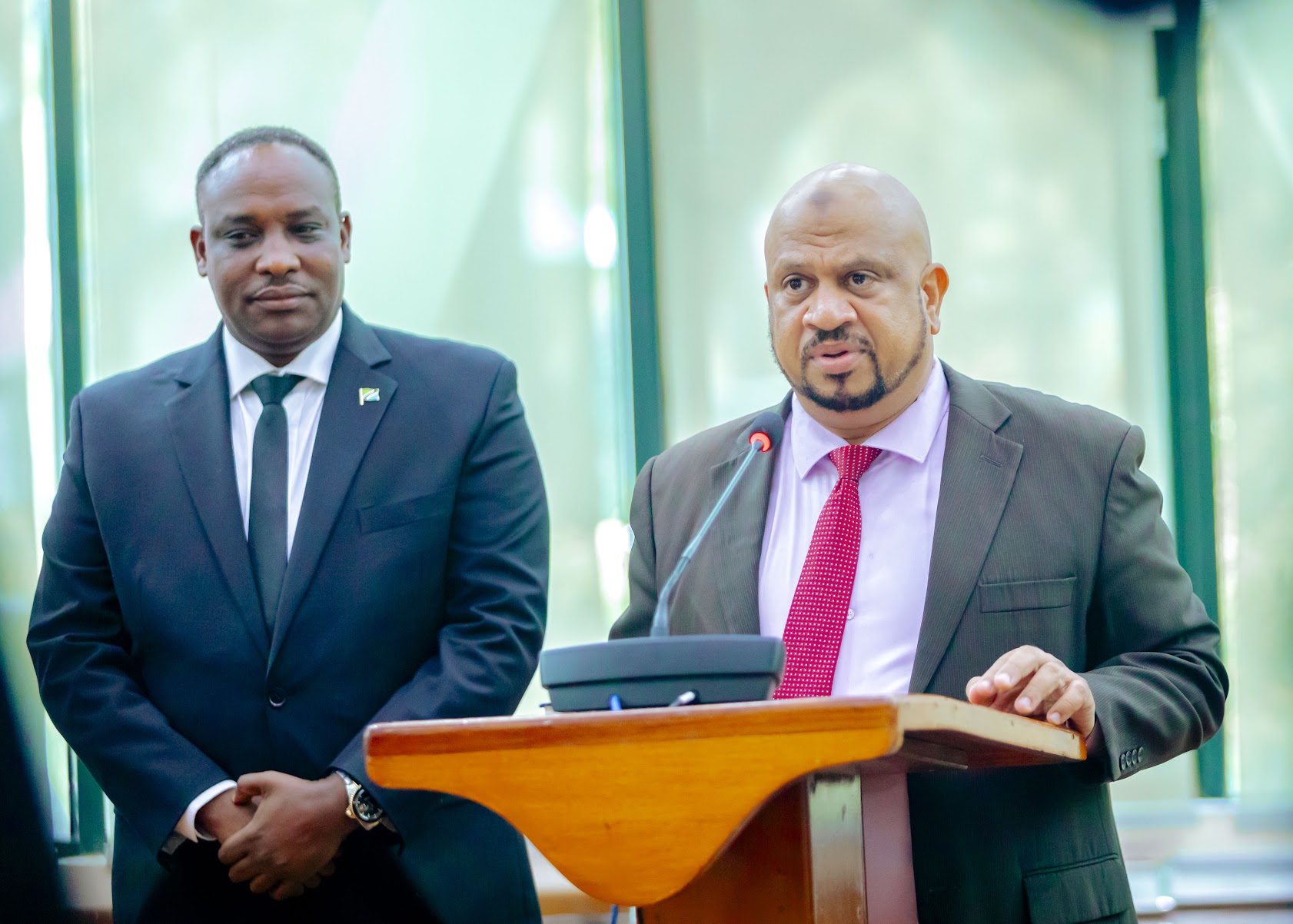
In another news, The Rt. Hon. Joseph Ntakirutimana, presided over the oath-taking of Hon.James Kinyasi Milya, the deputy minister for Foreign Affairs and East African Cooperation, responsible for East African Community Affairs, of the United Republic of Tanzania, in accordance with the provisions of Rule 5of the Rules of Procedure of the Assembly, that requires that all Ex-officio members take the oath of affirmation of allegiance to the Treaty. Hon. Milya was a member of the 5th EALA, before his election to the Parliament of the United Republic of Tanzania in the last general election, representing the Simanjiro constituency under the ruling party Chama Cha Mapinduzi (CCM).
Lastly, moved by Hon. Kennedy Mukulia, after deliberations on the non-payment of the Members’ and staff salaries, the Assembly passed two resolutions: 1. The Assembly urged the Council of Ministers to urgently address the non-payment of salaries of the members and staff of Eala. 2. The Assembly also urged the Council to direct the EAC Secretary General (SG) to return all the monies deducted from the East African Legislative Assembly portion for the Financial Year 2025/2026.
It should be noted that members and staff of EALA have not received their salaries for months now.
#END#
Nicodemus Ajak Bior
Senior Public Relations Officer (SPRO)
East Africa Legislative Assembly
Arusha, Tanzania
Tel: +255-768-885-633/, +254729157207(WhatsApp)
Email: nbior@eachq.org
Web: www.eala.org


_265_180shar-50brig-20_c1.jpeg)